
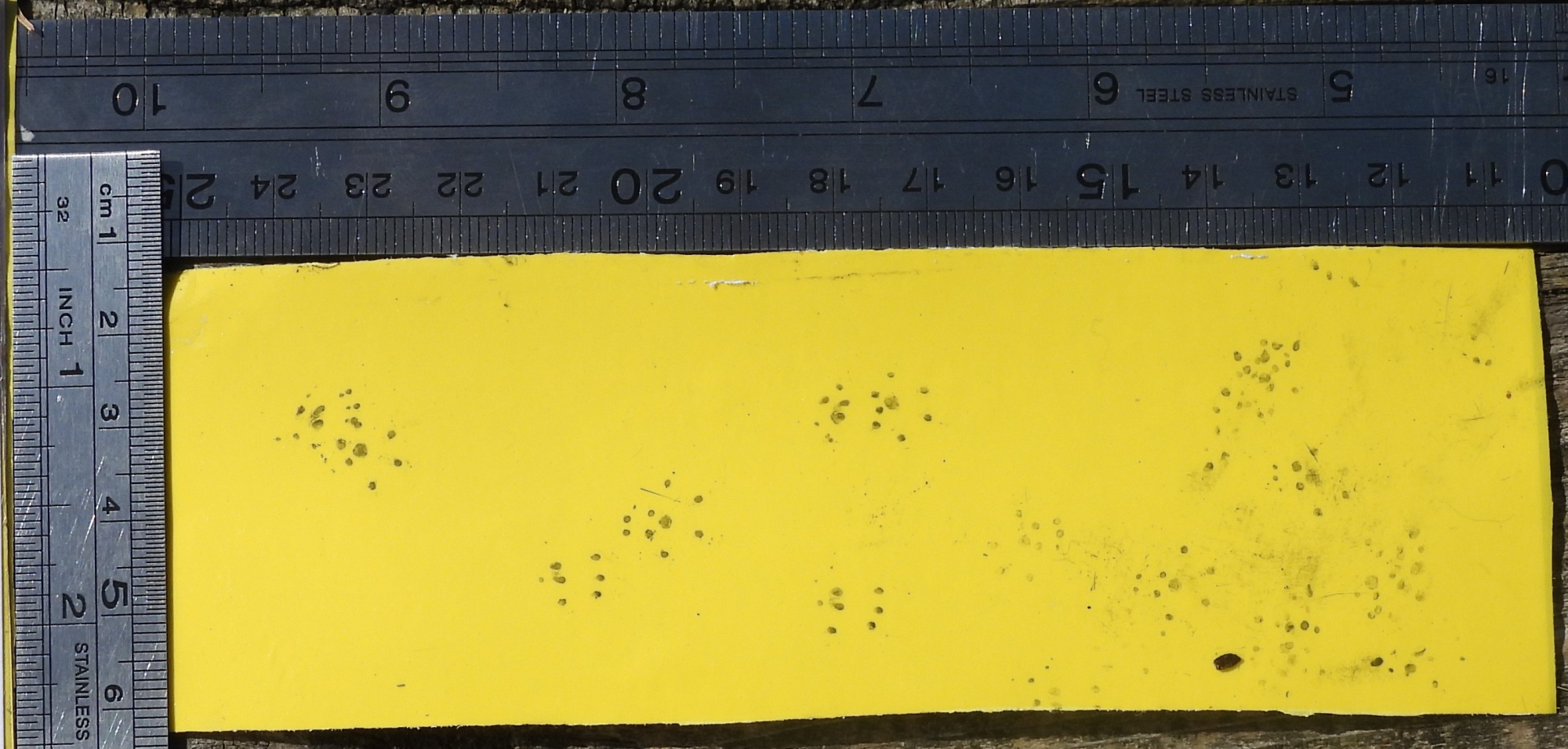

Field signs
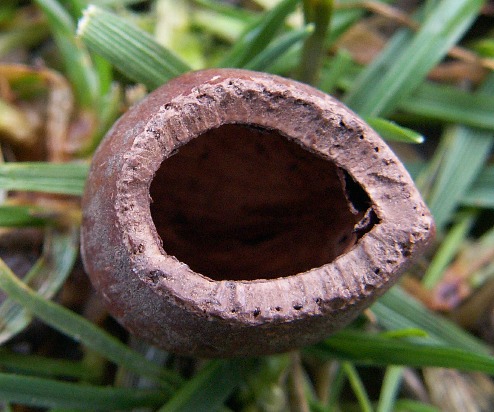
Like hazel dormice and wood mice, bank voles chew holes in hazelnut shells. Unlike the other species the bank vole creates larger and irregularly shaped holes. Tooth marks across the cut edge give it a corrugated effect. Unlike the wood mouse, no scratch marks are seen on the outer surface. Caches of nuts can be found within sheltered areas, most notably at the base of a tree, in small crevices, or under refugia.
Habits
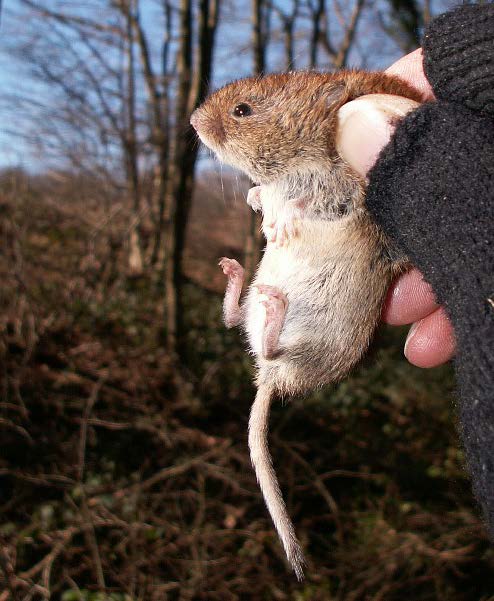
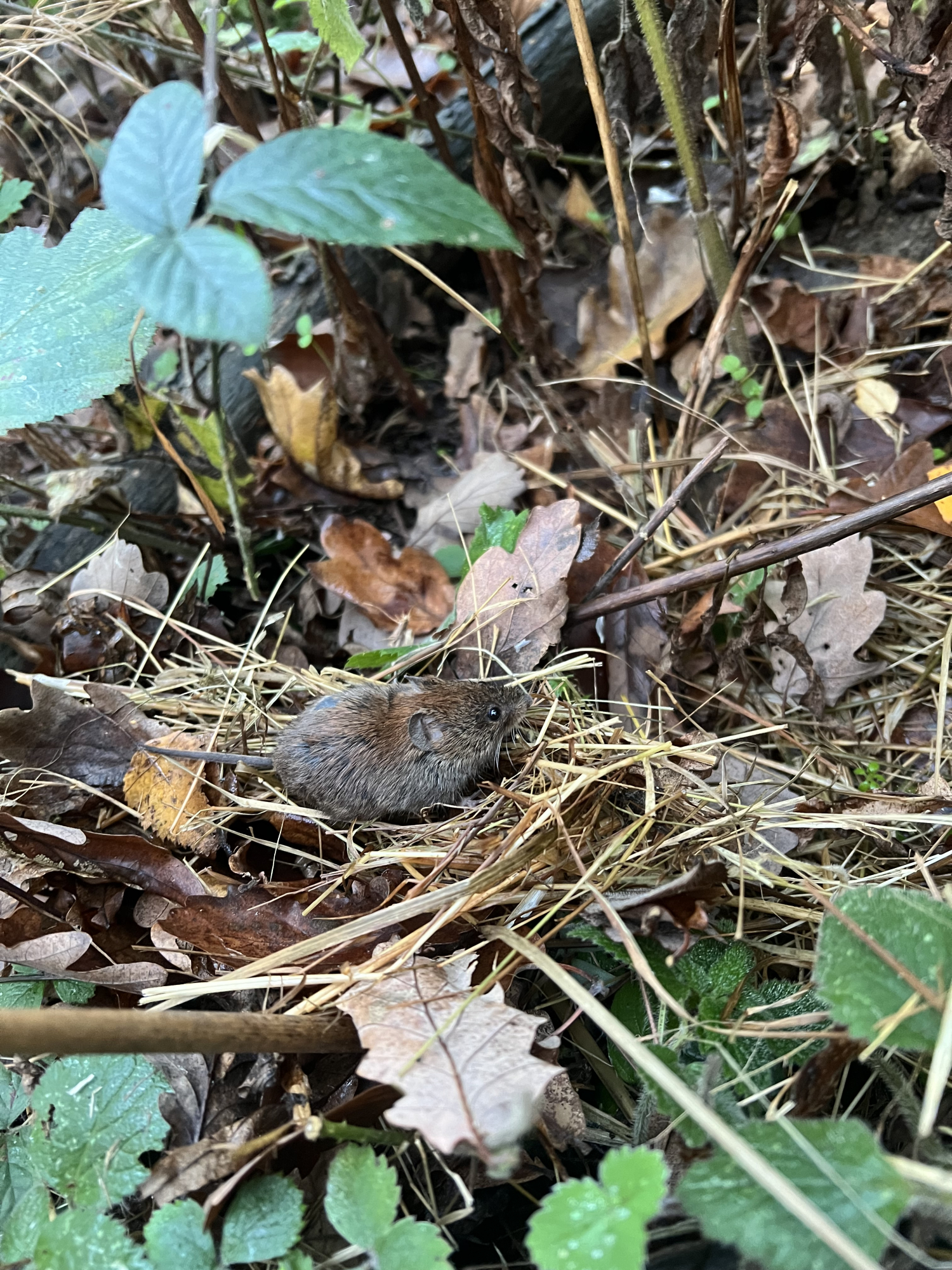
The bank vole’s diet is largely herbivorous, consisting of grass, leaves, fruits and seeds. It is primarily diurnal, but if disturbed may be active at night. It makes use of underground burrows for protection from predation and occupies nests to rest and to rear its young. Nest material generally consists of leaves, grass and moss.
Small mammal surveys in Kent have shown the bank vole occupying a range of habitats. However, it is most commonly found within woodland, scrub and hedgerows. This species is associated with a higher level of ground cover then the field vole.
Reproduction and life cycle
Breeding takes place between April and October. As with other small mammal species, the season may vary depending on weather conditions. Gestation is approximately 18 to 20 days with litters containing four to seven young which are weaned after approximately 21 days. A female born within the first few months of the breeding season may go on to breed in the same year.
Distribution, status and conservation
The bank vole is commonly found throughout Britain and is regularly caught during small mammal trapping surveys in Kent. Since 2002 the known distribution of the bank vole in Kent has substantially increased, which is probably related to an increase in survey effort. The species has a number of predators, most notably mustelids and birds of prey. Their remains are often found in owl pellets; the shape of the molars differentiates them from other small mammals.
Bank voles have an IUCN conservation status of Least Concern.
