
Pinnipedia (Seals)

Raising awareness of the County's mammals, promoting study and recording, mammal courses and events.
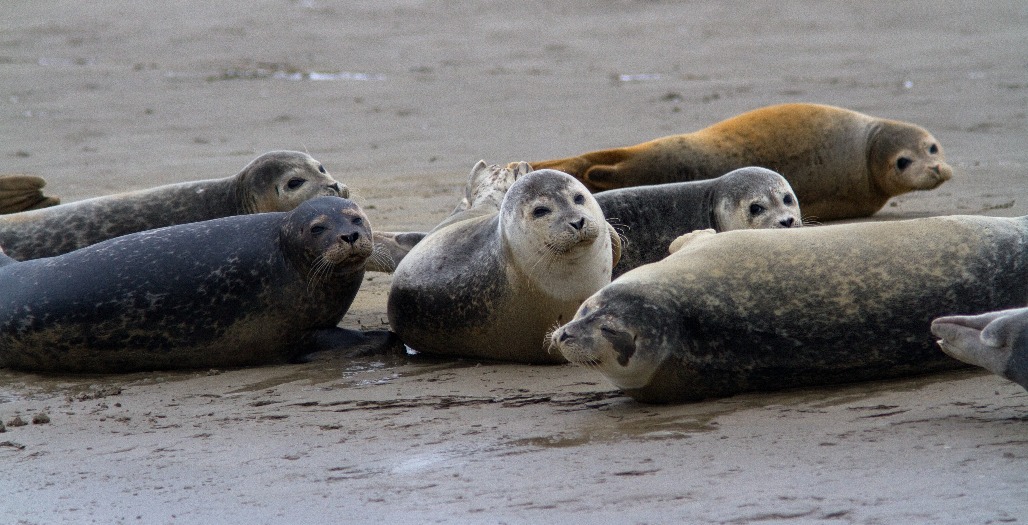
The common seal can be identified by its snub nose and rounded, dog-like head shape, which contrasts to the elongated Roman nose of the grey seal. When observed at close range the common seal has a ‘V’ shaped nostrils. Their pelage has a fine, freckly spot pattern; however, this can be absent during their annual moult when their pelage becomes dull beige or brown in appearance.
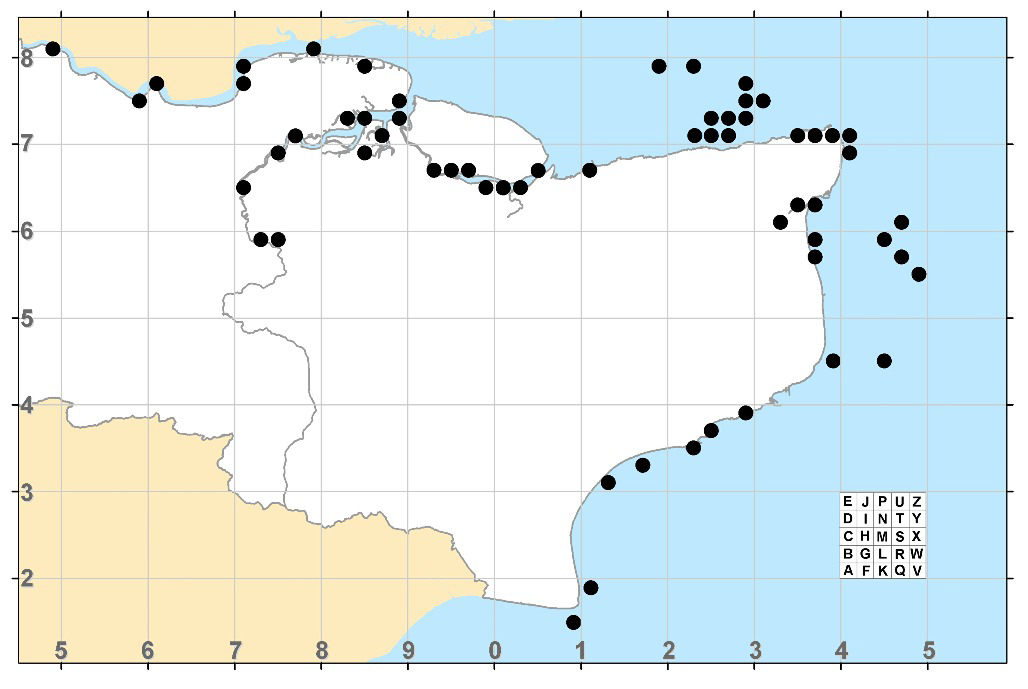 Source: 2002–2012 Kent Mammal Atlas. These maps are provided for reference and do not include more recent recording updates
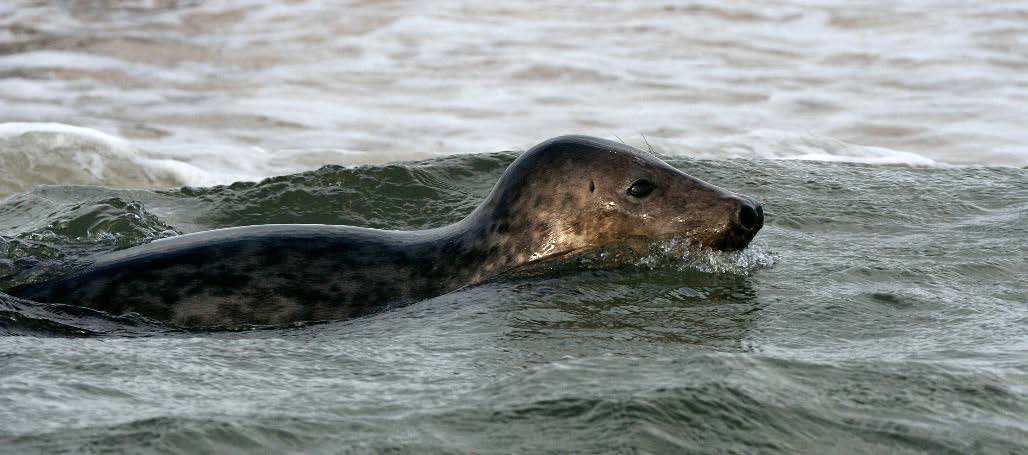
Grey seals are large, sexually dimorphic phocid seals (true or ‘earless’ seals) with males weighing far more than females. Grey seals have an elongated muzzle with a ‘Roman’ nose and parallel nostrils. Their coat colouration can vary greatly, but in general grey seals have a ‘blotchy’ pattern to their pelage and sometimes show a series of dark spots around the head and shoulders against a lighter-coloured background. Males are often a dark grey or uniformly brown.
 Source: 2002–2012 Kent Mammal Atlas. These maps are provided for reference and do not include more recent recording updates
Raising awareness of the County's mammals, promoting study and recording, mammal courses and events.