
Habits
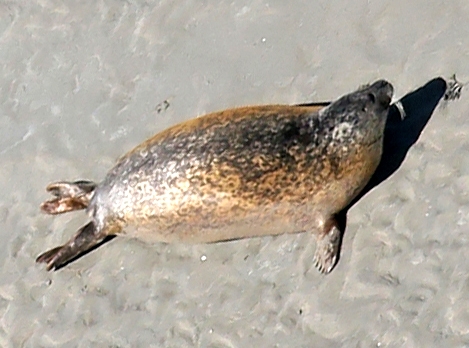
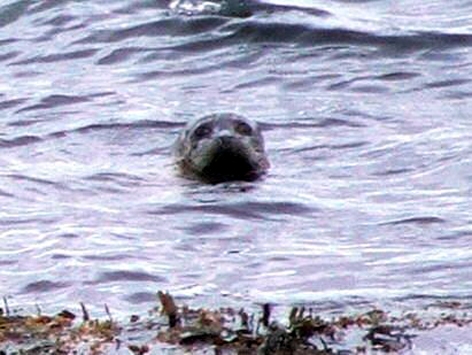
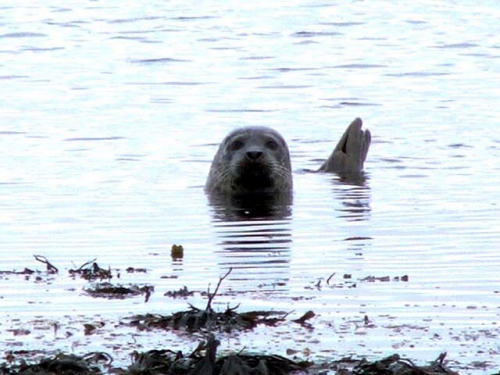
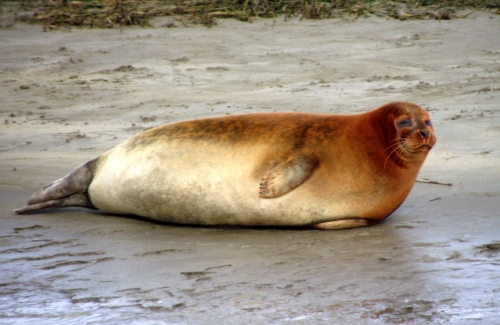
Predominantly a coastal and estuarine species, common seals spend much of their time close to preferred haul-out sites, which can vary according to seasonal activity as well as breeding and foraging opportunities. Inquisitive seals can often be seen from the shoreline as they explore their territories and look for food. Common seals are regularly spotted at haul-out sites such as sand bars and estuarine mud flats and often forage upstream into intertidal river systems.
The diet of common seals varies according to seasonal availability of prey species. Although squid and crustacean remains are sometimes found, most prey species appear to be fish including cod, herring, plaice, salmon and sand eels.
Reproduction and life cycle
Male common seals reach sexual maturity at five to six years of age, whereas females show signs of sexual maturity at only three to four years old. It is thought that males live for approximately 25 years, whereas females may live for up to 35 years.
Common seals have a protracted breeding season, with pupping occurring from late May to July. As pups are weaned, females come into oestrus and can be mated. Embryonic implantation is delayed for two to three months until after the female’s annual moult is completed in October.
A yearly moult occurs in both sexes soon after the breeding season, usually in August to September. At this time seals can be found in larger aggregations and spend more time hauled-out in order to aid the moulting process.
Distribution, status and conservation
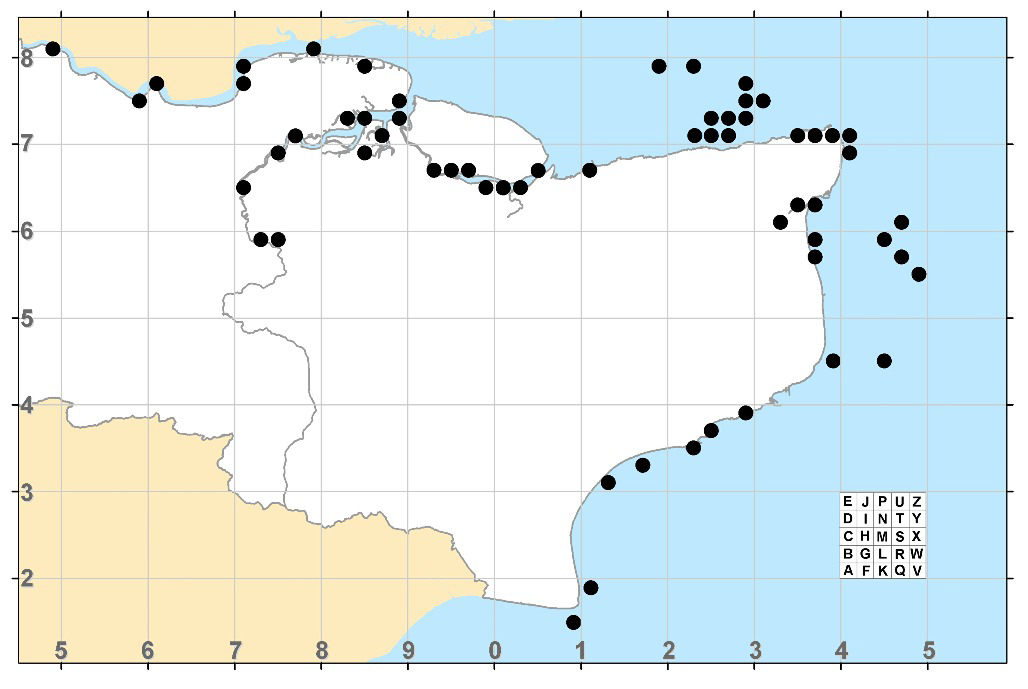
Common seals are distributed around the entire Kent coastline and major riverine estuaries including the Great Stour, Medway, Swale and Thames. At low tide common seals can be observed hauled-out on almost all of the intertidal sand bars including those of the Margate sands complex, Goodwin Sands, West Barrow, North Knob and Knock John, Shingles and Shingles Patch, Pan Sand and Ridge, the Last and north east Last. Estuarine haul-out sites include Horse Sands, Peg Fleet, Stangate Creek and Sharfleet.
Kentish coastal and riverine waters hold about 300 common seals. This is less than one percent of the UK total, but is still significant as it is the highest population of common seals inhabiting the extreme southern and southeastern coastlines of England. They may also be an important genetic link with common seal populations found along the coast of mainland Europe. As a result it may also be a potential transmitter of disease during outbreaks of Phocine distemper virus, as witnessed in 2002, from which common seal populations have still not fully recovered.
