

Field signs
Droppings can be confused with those of water vole but are usually larger and more irregular in shape and have a strong ammonia smell.
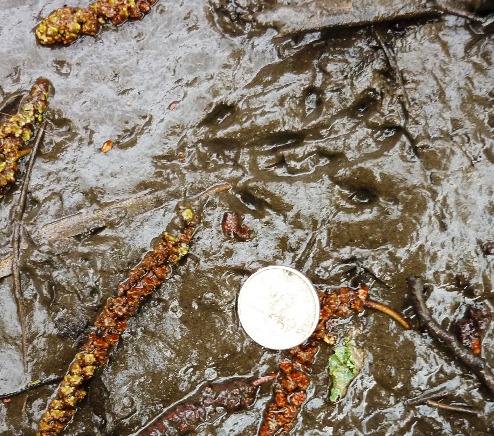
When identifying tracks care needs to be taken when considering water vole as they are difficult to separate from common rat. The imprints show four toes in a star arrangement from the fore foot and five toes of the hind foot with the outer ones splayed. The hind foot typically measures 40 to 45 mm (heel to claw measurement) and is larger than that of the water vole. As the common rat is also heavier than the water vole it leaves a deeper impression.
Habits
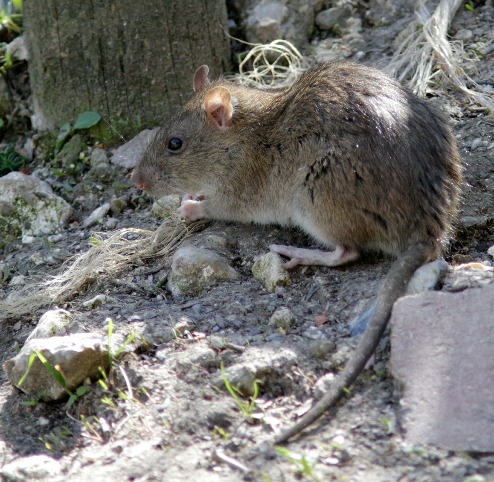
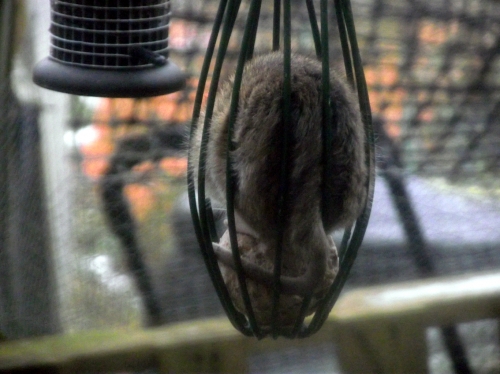
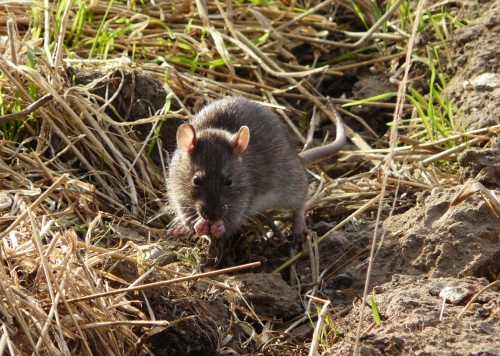
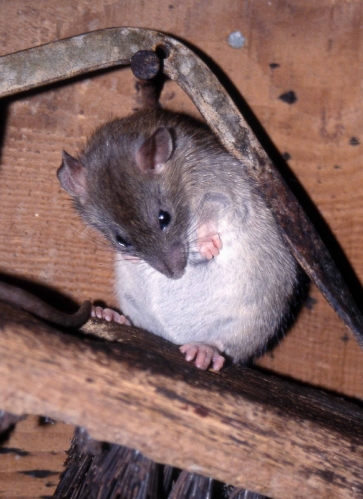
The common rat is a very adaptable rodent species that occurs in many different habitats across the county. It lives in colonies with a hierarchy determined by size and age. Within the colony small family groups will exist. Rats dig their own burrows and obvious well-used runs join up the various entrances. Burrow entrances are circular or taller than wide, differentiating them from those of water voles which are protractor shaped. They are omnivorous, with cereals forming a substantial part of their diet. As such they can become a problem around bird feeders and are an unwelcome guest for many.
Reproduction and life cycle
Reproduction occurs all year round. However, few rats survive more than a year in the wild. Females can begin breeding at three to four months and if food is readily available they may breed continuously, but typically have five litters a year. Young rats are an important food source for many birds of prey, especially owls, and many of the county’s carnivores such as stoats and foxes.
Distribution, status and conservation
The common rat is a significant pest of stored food and a vector of human diseases. Assumed to be very common throughout the county, it is certainly under-recorded. Attempts at rat population control through the use of poison and traps can impact other wildlife. However, there are common rats with a naturally occurring genetic mutation that protects them from some rodenticide poisons. In the last decade, resistance has expanded dramatically, including multiple new resistance mutations (VKORC1 variants) and resistance to nearly all first-generation anticoagulants, and in many regions to several second-generation ones. Some populations in SE England have multiple resistance mutations simultaneously, and in some counties several anticoagulants no longer work reliably at all.
The endangered water vole is often mistaken for a common rat, resulting in the water vole being accidentally poisoned, trapped and/or disturbed.
