


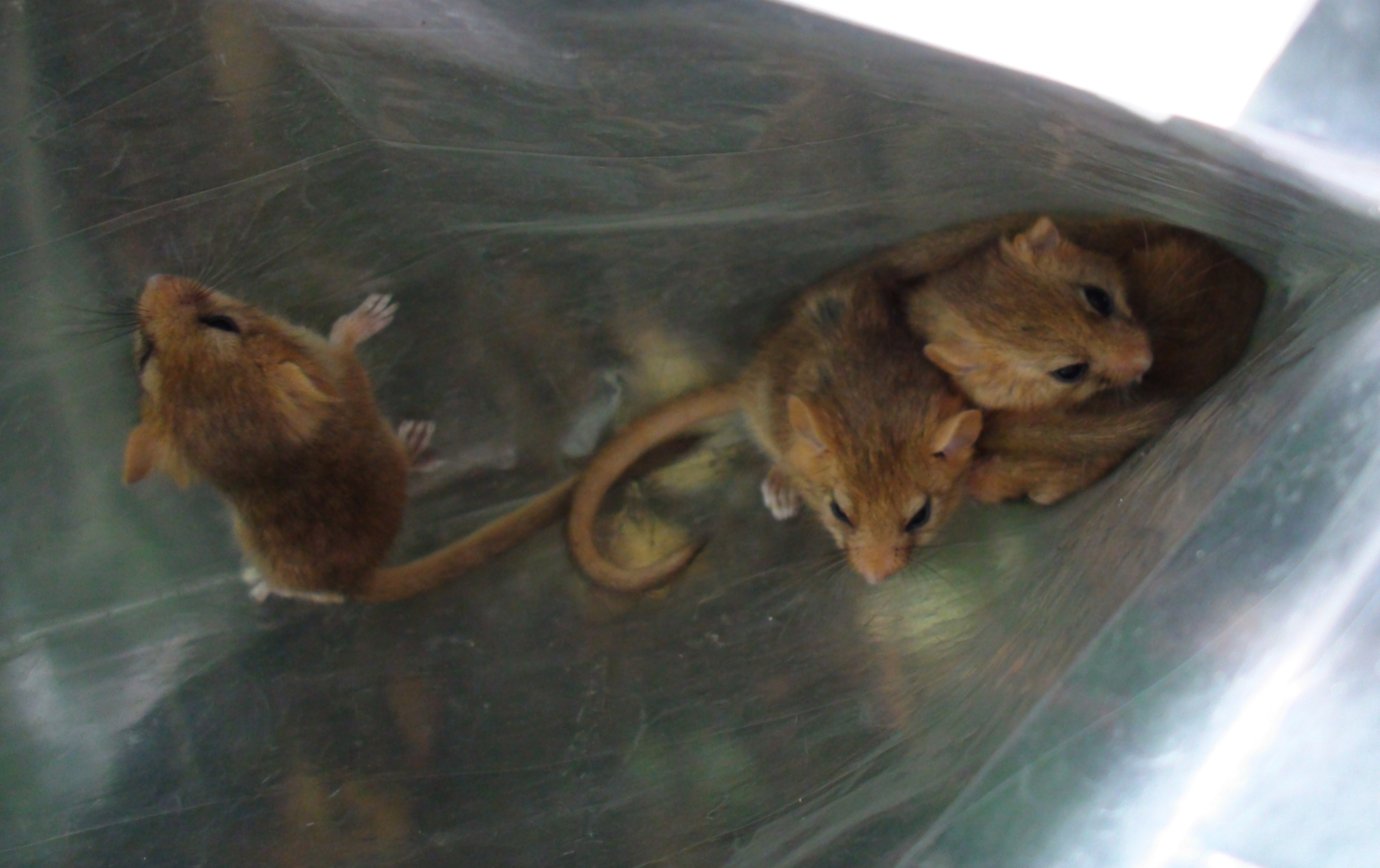
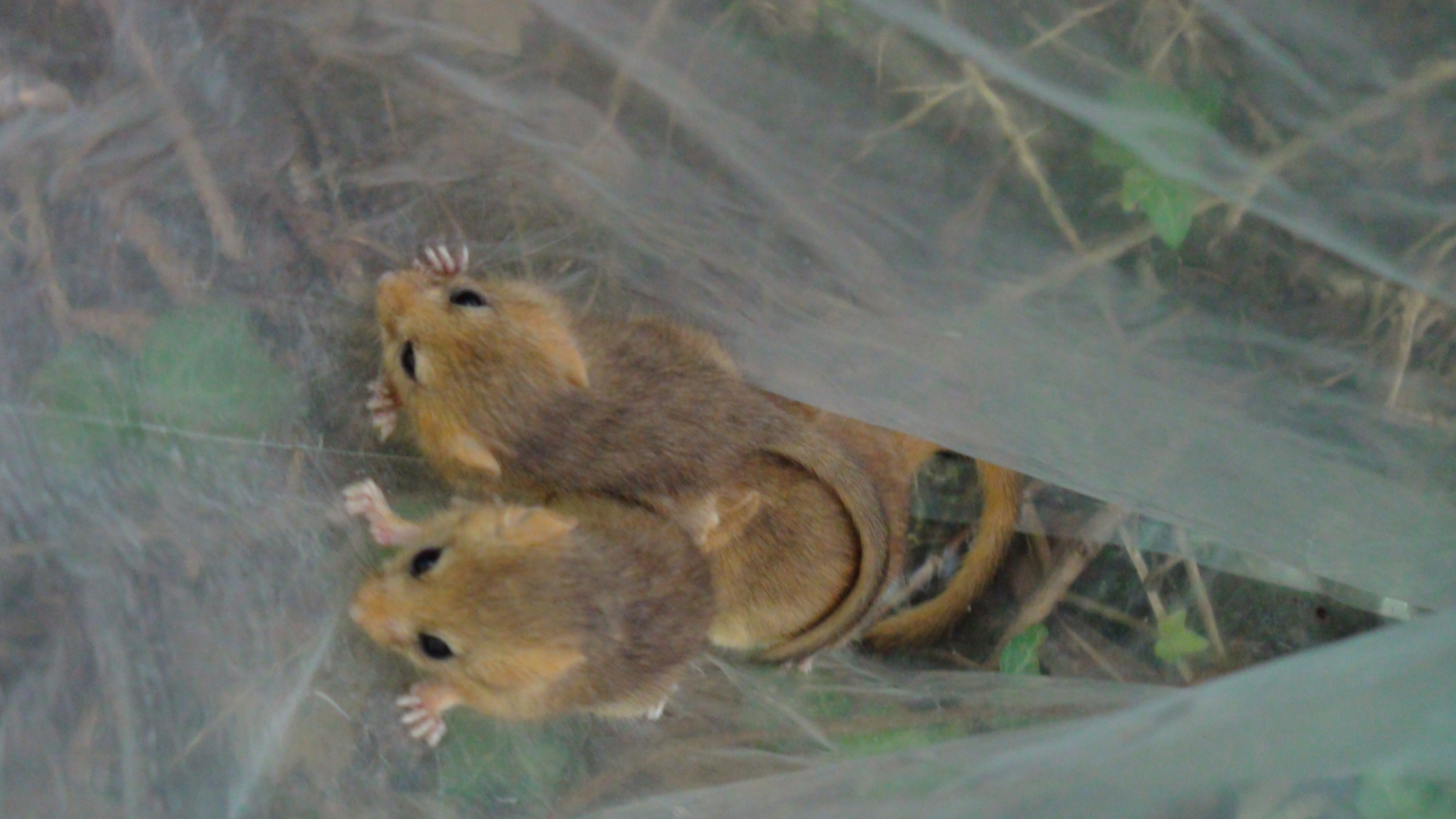

Field signs
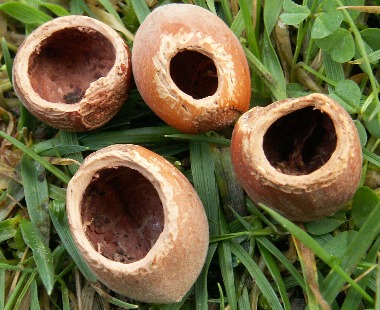
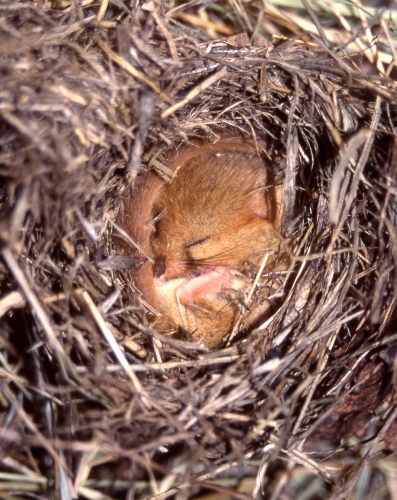
Searching for hazel dormouse field signs is extremely difficult. The process mainly relies on locating hazel nuts which have been opened in a characteristic manner. A hazel nut with a round hole chewed into it and having a smooth inner edge and some tooth marks on the outer shell around the hole is a good sign. Chewed hazel nuts can be found from mid-August into the next year but gradually rot away, although they can be found in dry places for some time and occasionally for over a year. Sometimes nests can be found in brambles and similar vegetation; they are woven into a ball with variations in the nest material used.
Habits
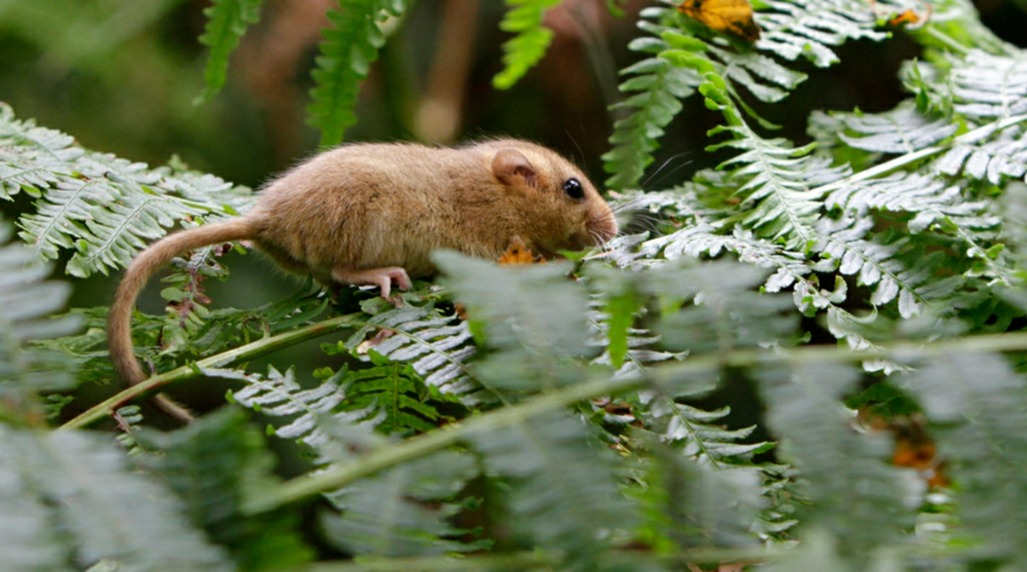
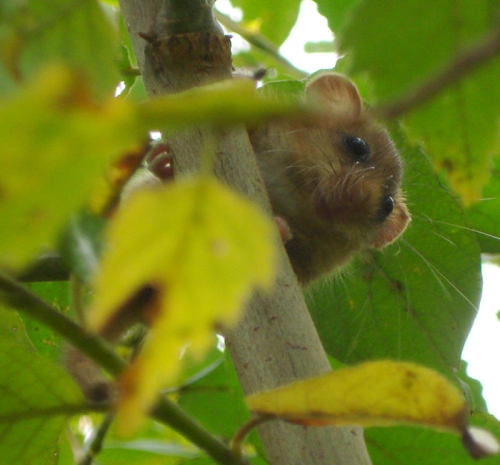
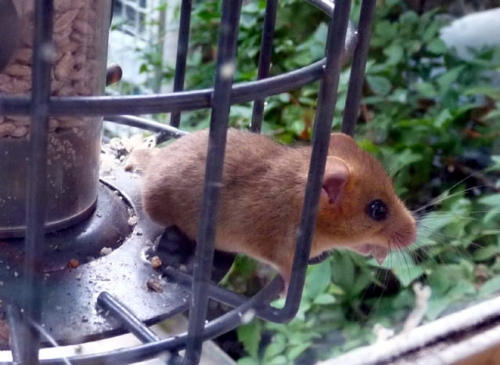
They are strictly nocturnal and largely arboreal. A mixed habitat seems to be preferred, with different plants and trees producing flowers, pollen, nuts and fruits for food on a rotational basis, which the dormouse supplements with insects. There are many exceptions to this, with dormice having been found in reed beds in Kent and also in solely coniferous woodland or chestnut coppice, gorse, heather and large stands of rosebay willowherb. They have also been recorded on peanut bird feeders, either singly or in multiples.
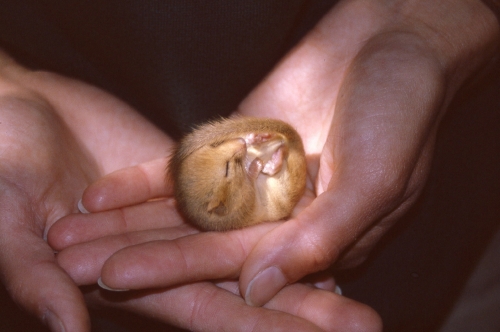
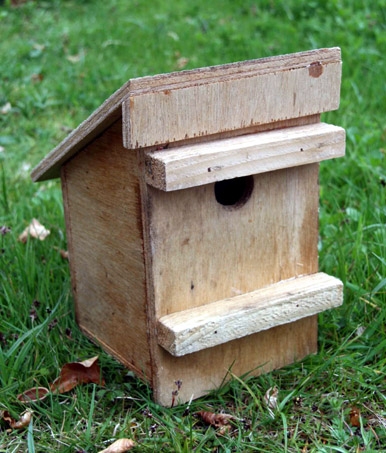
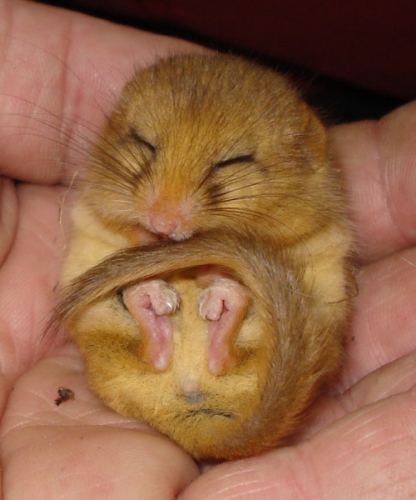
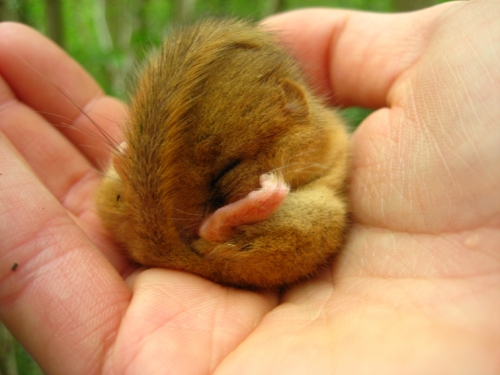
Monitoring nest boxes in Kent has shown that wild dormice can live up to six years. They hibernate from October until April, depending on the weather conditions, in or on the ground in a tightly woven nest. At other times they can drop their temperature and become torpid if food is in short supply, or there is cold and inclement weather.
Reproduction and life cycle
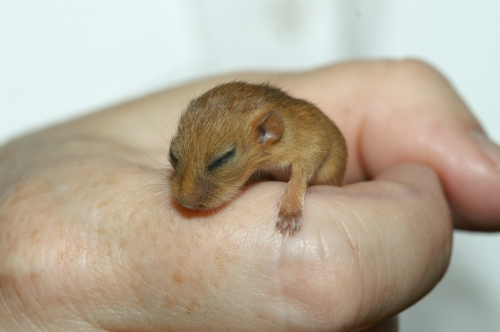
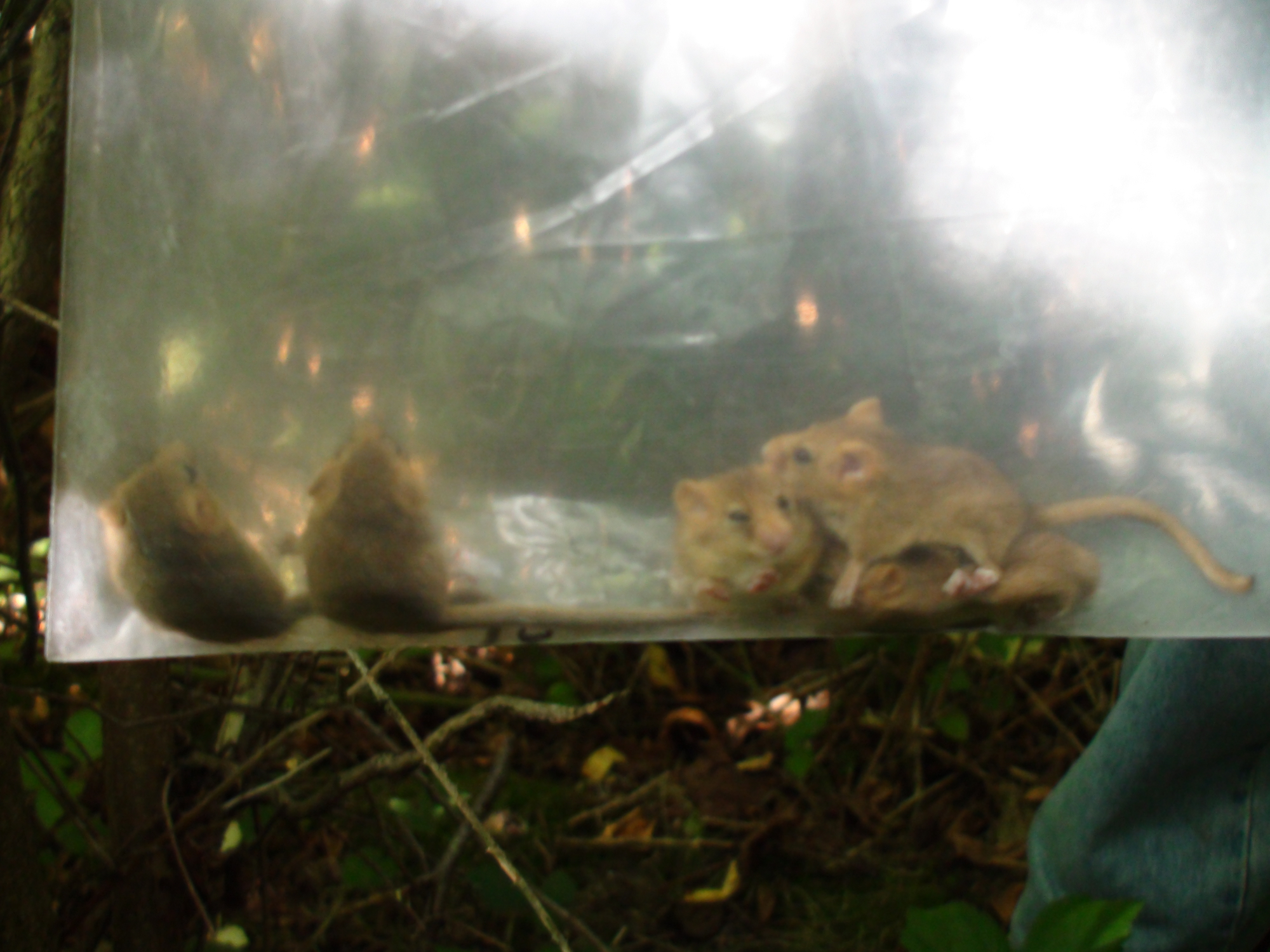
Generally four to six young are born in July to August taking about 40 days to wean, but often staying with the adults until up to two months of age. However, there are frequent possibly weather-related exceptions, with young being found in Kent in May, June and September and on more than one occasion November. Second litters can occur.
Distribution, status and conservation
Primarily a species occurring within the southern counties of England, the hazel dormouse distribution is patchy in Kent. Assessing population status is difficult as they always exist at low densities. However, they are considered to be in steep decline in the UK (~70% since 2000).
Conservation of dormice in Kent is reliant upon the preservation and protection of their habitat. In recent years, dormouse numbers have been impacted by habitat destruction from the construction of road and rail links, along with general development and the removal of woodland and hedges. Grey squirrels also pose a problem for hazel dormouse populations as a direct competitor for food sources and occasionally predating on hibernating dormice.
In 2005 construction of the A21 Lamberhurst bypass included the building of a unique ‘green bridge’ over the roadway, having banks of vegetation right across its span. Evidence has now been recorded of dormice breeding on the bridge.
Hazel dormice are protected by law and may not be intentionally killed, injured or disturbed in their nests, collected, trapped or sold except under licence.
